

New York: St. Paul’s Episcopal Church
Schooltown #100 Helps Preserve a Remarkable Chapter of Paris Hill History and its Native American Connection
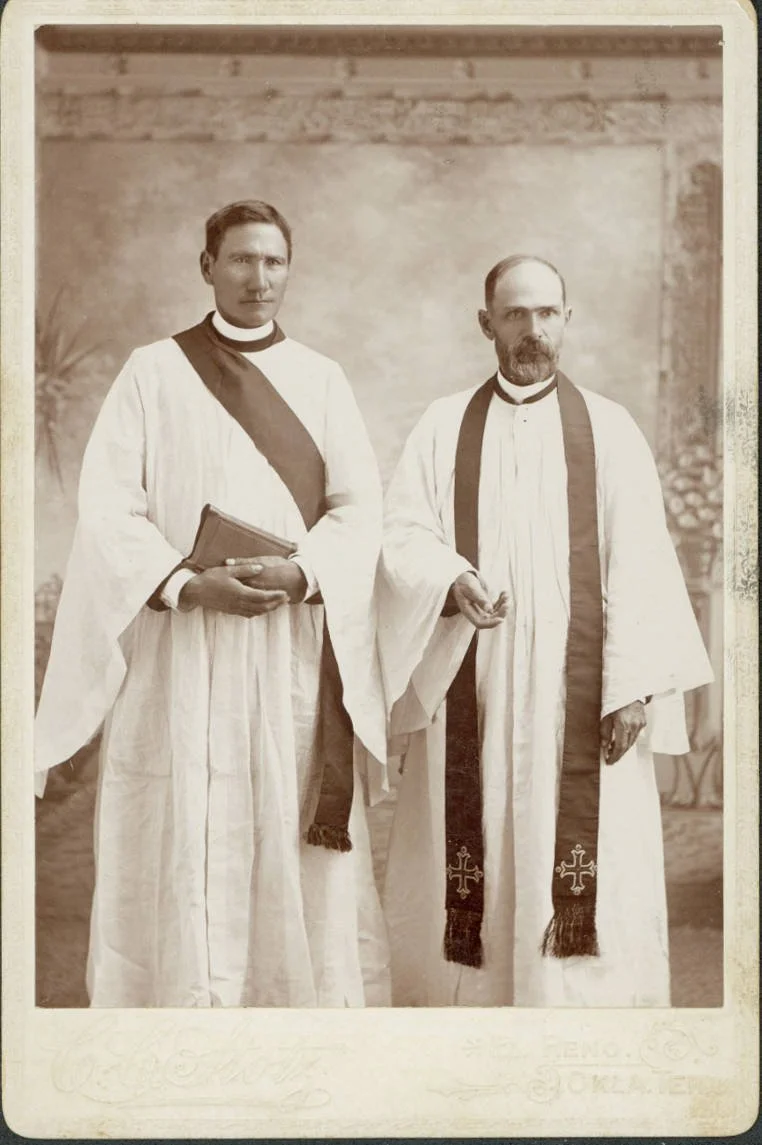
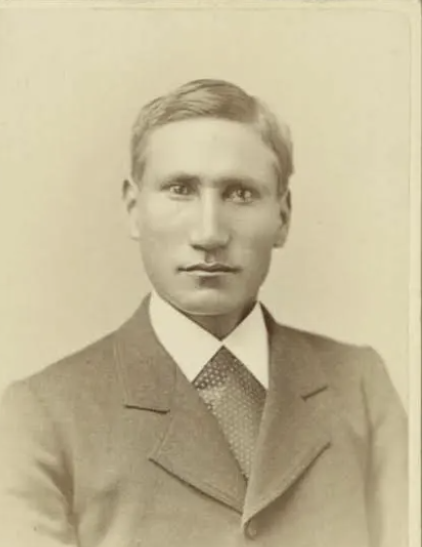
For more than two centuries, the Hamlet of Paris Hill has been a small but important part of the history of Paris, New York. Today, one of its most significant landmarks is St. Paul’s Episcopal Church, a historic building with an extraordinary connection to the life of David Pendleton Oakerhater, a Cheyenne warrior, artist and Episcopal deacon who was later recognized as a saint by the Episcopal Church.
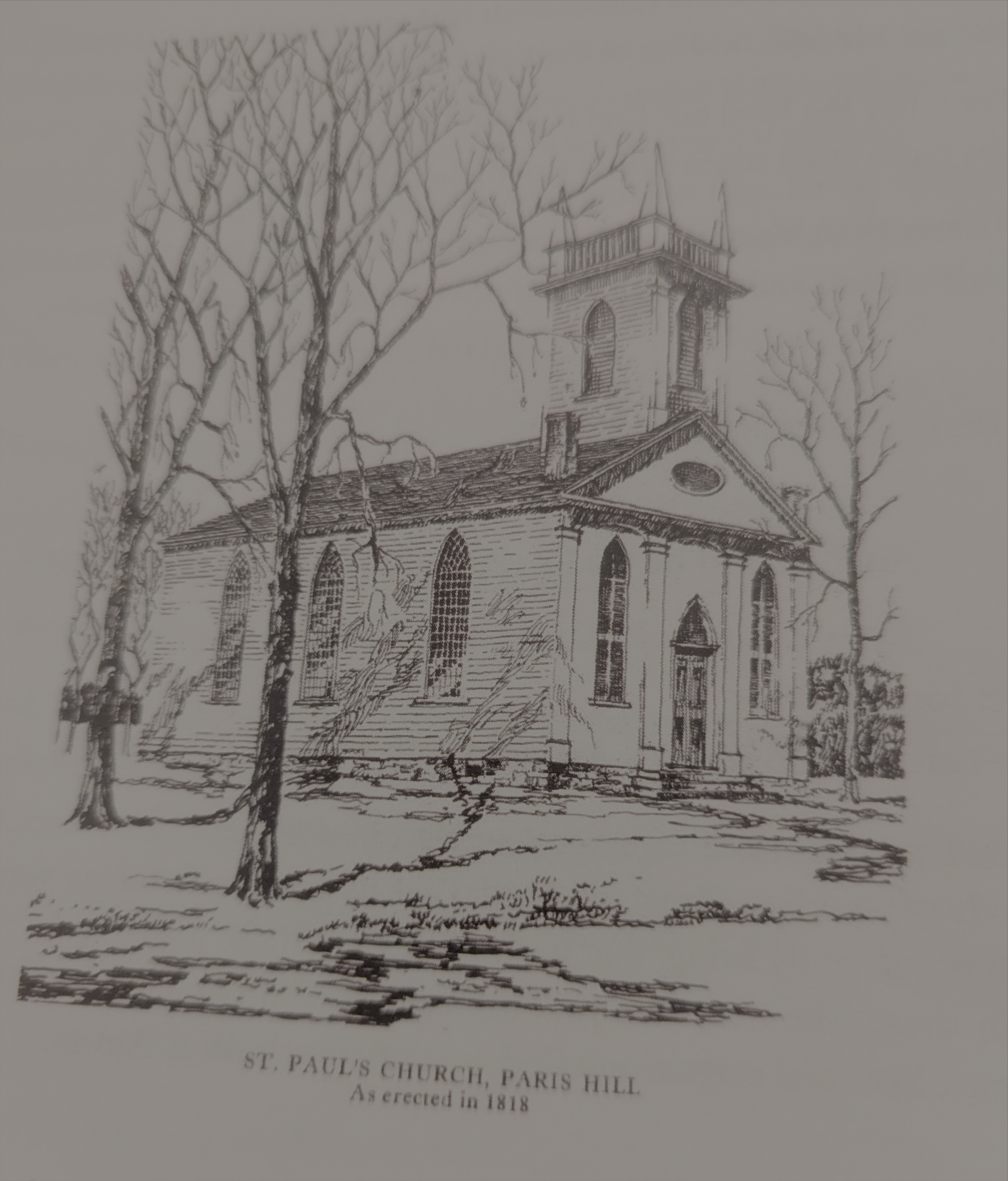
At the center of that historic hamlet stands St. Paul’s Episcopal Church, built in 1818. The 36-by-50-foot timber-frame church is an example of Federal-style architecture and features a one-stage belfry rising from the roof. Its adjoining cemetery contains burials dating from the early 19th century to the present. The church and cemetery were placed on the National Register of Historic Places in 1996.
But St. Paul’s history extends far beyond its architecture and local congregation. It has an amazing connection to one of its most famous members. A Cheyenne warrior.
In 1875, David Pendleton Oakerhater, known in Cheyenne as O-kuh-ha-tuh and also as Making Medicine, was among a group of Native American prisoners sent to Fort Marion in St. Augustine, Florida, following the Red River War. During his years at Fort Marion, Oakerhater became an accomplished artist. He created drawings in ledger books depicting Cheyenne life, including dances, hunts, courtship and scenes from his imprisonment. His artwork became an important part of the development of modern Native American art.
After the Fort Marion prisoners were released in 1878, funding for Oakerhater and his wife to come to Paris Hill was provided by Alice Key Pendleton and her husband, U.S. Senator George H. Pendleton, whose daughter had received one of Oakerhater’s drawing books.
At St. Paul’s, the Rev. J. B. Wicks welcomed Oakerhater into his family and helped educate him in agriculture, Scripture and current events. Oakerhater quickly became well known in the community.
Within months, Oakerhater chose to be baptized. He took the Christian name David and the surname Pendleton in honor of his sponsors. He was baptized at Grace Episcopal Church in Syracuse in 1878 and ordained an Episcopal deacon there in 1881.
His time in Paris Hill was brief, but it became an important turning point in his life.
After his ordination, Oakerhater returned to the West, where he began a long career serving Native American communities. He traveled through Indian Territory and Dakota Territory, encouraging Cheyenne people to attend Episcopal services and caring for those who were ill.
He later served at missions in Oklahoma, including the Whirlwind Mission, where he worked with Native American families and children.
In 1985, the Episcopal Church designated Oakerhater as a saint.
Helping protect that history is Schooltown #100, a New York Questers chapter dedicated to historic preservation. The chapter has contributed nearly $4,500 to historic sites, including recent support for St. Paul’s Church roof restoration. The chapter has not received state or international grants for its work, making its local contributions especially important to the preservation projects it supports.
For Schooltown #100, preserving St. Paul’s means more than maintaining an historic building. It helps safeguard the stories of the people connected to the church—from the early families of Paris Hill to the Rev. J. B. Wicks and, most notably, David Pendleton Oakerhater.
The result is a historic place where architecture, community memory and a remarkable national story come together—and where the past remains very much a part of the present.