


what we do
rosenwald schools initiative
THE QUESTERS created this initiative to help chapters learn about Rosenwald Schools, research local connections, build respectful community relationships, and support preservation work already underway.
Step 1: Use the Rosenwald Schools Chapter Program & Action Guide and Chapter Outreach Toolkit to plan a program, explore Fisk University’s Rosenwald records, research a local connection, or choose an activity that fits your chapter.
Learn. Connect. Preserve. Share.
Step 3. Rosenwald Heritage Cards introduce a school, an archive, or a state connection in a concise format that chapters and members can readily share. They are examples and starting points—not a complete directory and not a substitute for the Rosenwald Schools Chapter Program & Action Guide.
How Chapters and Members Can Use Them
Use a Heritage Card to introduce a chapter program, begin a discussion, share a trusted research resource, or help members imagine a similar connection in their own community.
The cards can also be shared with friends or prospective members. They offer an inviting way to introduce THE QUESTERS through a compelling preservation story and show how members learn, connect, preserve, and share history.
Begin with the Program & Action Guide. When a chapter is ready to contact a site, arrange a visit, listen to community partners, document permissions, or consider appropriate support, use the Chapter Outreach Toolkit.
Current Heritage Cards
Dunbar Rosenwald School — A living school story in Loudon, Tennessee, illustrating community-led preservation and the importance of listening to former students and local partners.
Fisk University Archives — An introduction to the Rosenwald Fund records preserved by Fisk and to the archival research that can help chapters discover schools and stories connected to their states.
Okahumpka Rosenwald School, Florida — An example of how a chapter or state organization can identify a nearby Rosenwald connection and explore appropriate ways to learn, visit, and support work already underway.
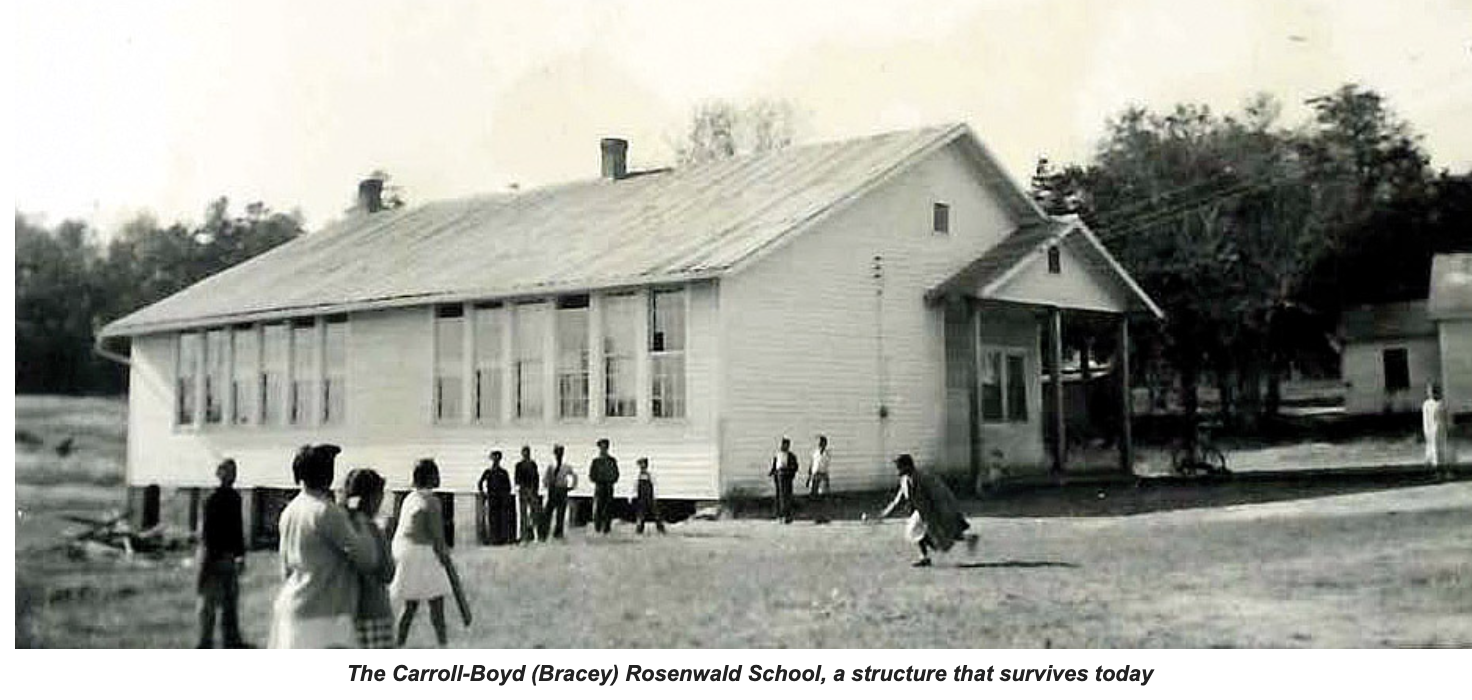
Step 2. Explore the Rosenwald Schools through trusted programs about the Black communities that raised funds, contributed land and labor, and worked with Booker T. Washington and Tuskegee Institute, Julius Rosenwald, and public school systems to expand educational opportunity across the segregated South. Use these selections for chapter programs, discussion, and local research.
Videos (also available on a THE QUESTERS YouTube channel playlist):
1. Impact of Rosenwald Schools on Education—CBS News
https://www.youtube.com/watch?v=dVg-xOBw8kY
2. Unlocking the Doors of Opportunity—PBS North Carolina
https://www.youtube.com/watch?v=jqMt9GQiXp8
3. Rosenwald—Official Film Trailer
https://www.youtube.com/watch?v=LyLWd5F3CPQ
Preservation, Restoration, & Historical Education Stories
THE QUESTERS is a community of lifelong learners with a shared interest in history, collections, historic objects, preservation, restoration, and education.
Across the United States and Canada, THE QUESTERS advances preservation, restoration, and historical education by bringing together people who share a passion for history and by supporting projects that protect historic places, significant objects, and our shared cultural heritage.
These are some of the projects (this page will be regularly updated).
Completed Preservation & Restoration Projects
-
![]()
Oklahoma
Cimarron #1195 cleaned and waxed two important bronze statues on the grounds of the Oklahoma State Capitol.
-
![]()
Iowa
The entrance pillars to Evergreen Cemetery in Red Oak, Iowa, were restored by Calendar Girls #1195.
-
![]()
Kansas
Lucinda Mahaffie #1411 restored a sulky riding plow.
-
![]()
Michigan
The interior/exterior window painting project for Provencal-Weir House was completed by Fox Creek #216.
-
![]()
Michigan
Waldenwoods #569 restored a parlor stove for the Tyrone Township Town House.
-
![]()
Wisconsin
This is one of several windows that were restored at the historic Janesville Women’s Club Association Building by Monterey #266.
-
![]()
Arizona
Four Peaks #1207 installed signage at the McCormick Stillman Railway Park to be placed by the Arizona Merci Train boxcar to explain its significance to the general public visiting the park.
-
![]()
South Dakota
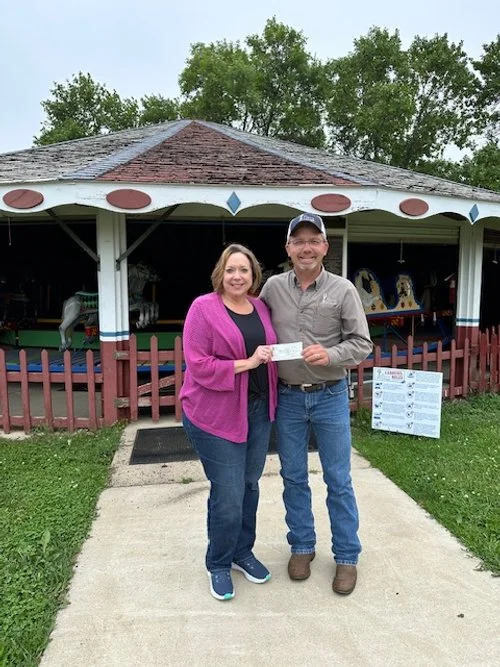
Gwen Larsen, President of Prairie Pasque #1072, handed off a $2,500 check to Faron Wahl, general manager of Prairie Village, Madison, SD. The funds will be used to repair the roof of the Art B. Thomas carousel pavilion. The monies were a 2025 South Dakota Questers P&R grant awarded to Prairie Pasque #1072, Madison, South Dakota. The restored carousel, which received international and state and local Questers P&R funds, is in the background.
-
![]()
Arizona
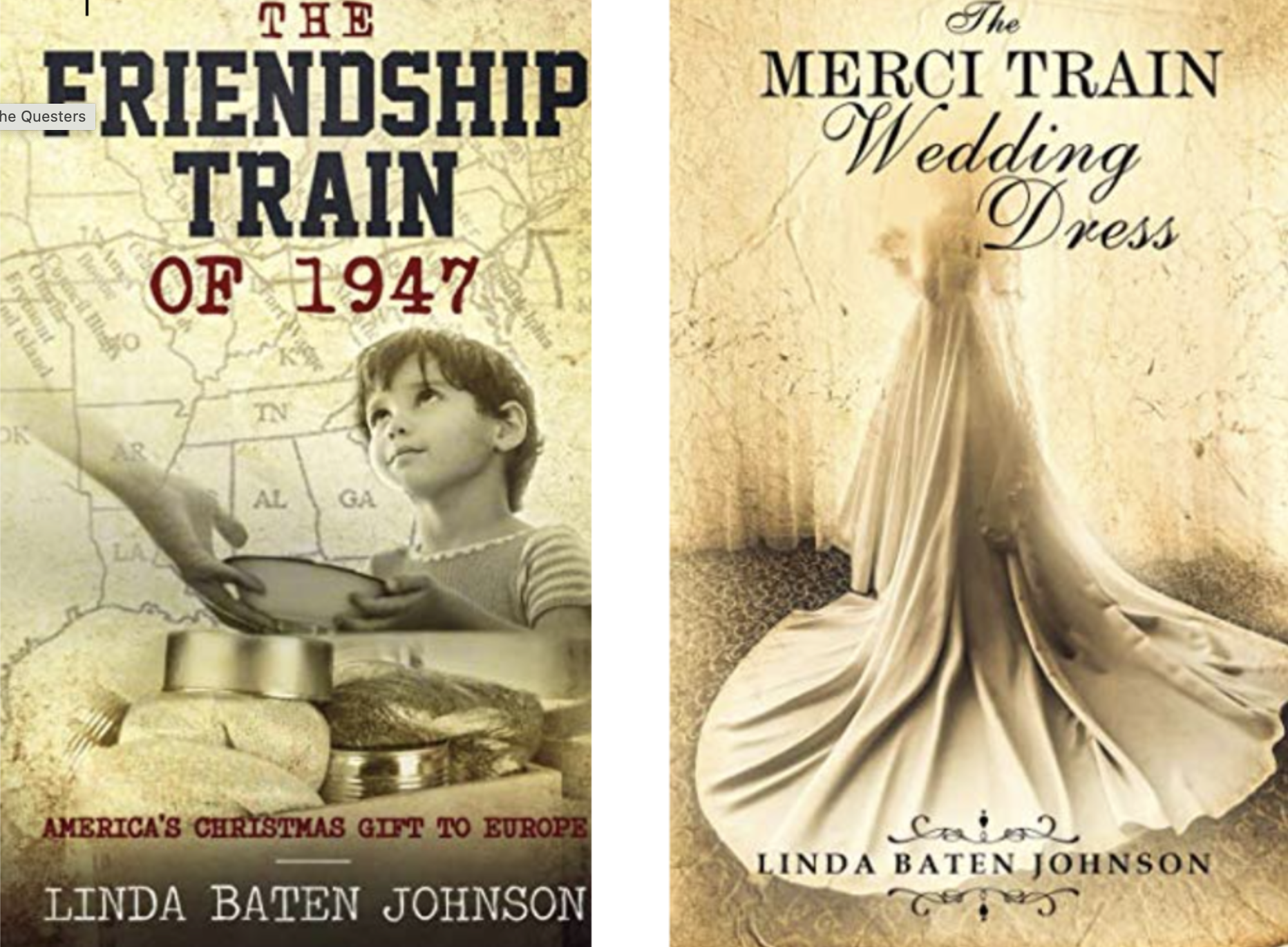
Books for Buckeye! Helz-a-Poppin #1518 donated thirty copies of “The Friendship Train of 1947” and thirty copies of “The Merci Train Wedding Dress” to the Buckeye School District in Buckeye, Maricopa County, Arizona. This has been an ongoing P & R project to fulfill the chapter’s mission to keep history alive.
-
![]()
WISCONSIN
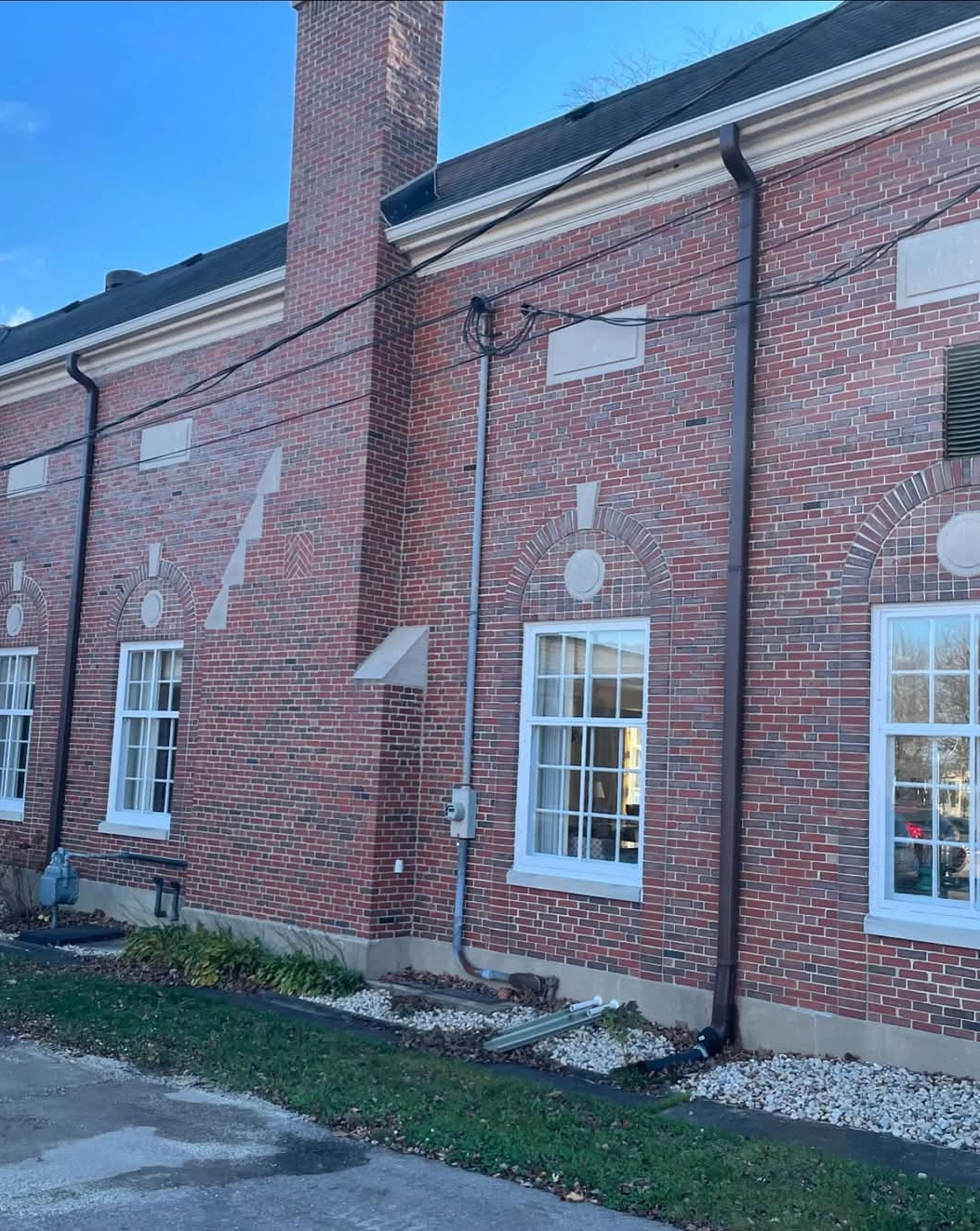
The Foundation for the Preservation of 108 South Jackson recognized Monterey Questers #266 for their generous donation towards the repair and painting of the windows on the north side of the historic Janesville Women’s Club building in Janesville, Wisconsin.
-
![]()
Colorado
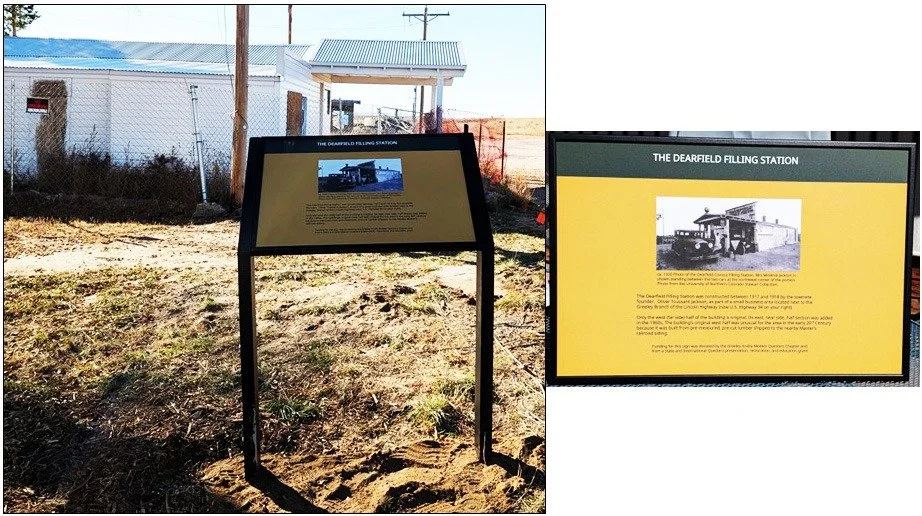
Arvilla Meeker #802, with both Colorado State Questers and Questers International 2025 grants, donated four permanent signs through their Dearfield Historic Interpretive Signage project for Dearfield, CO, a Black agricultural community founded in 1910. Shown is signage for the Dearfield Filling Station restoration supported by the Dearfield Preservation Committee and the Black American West Museum.
-
![]()
colorado
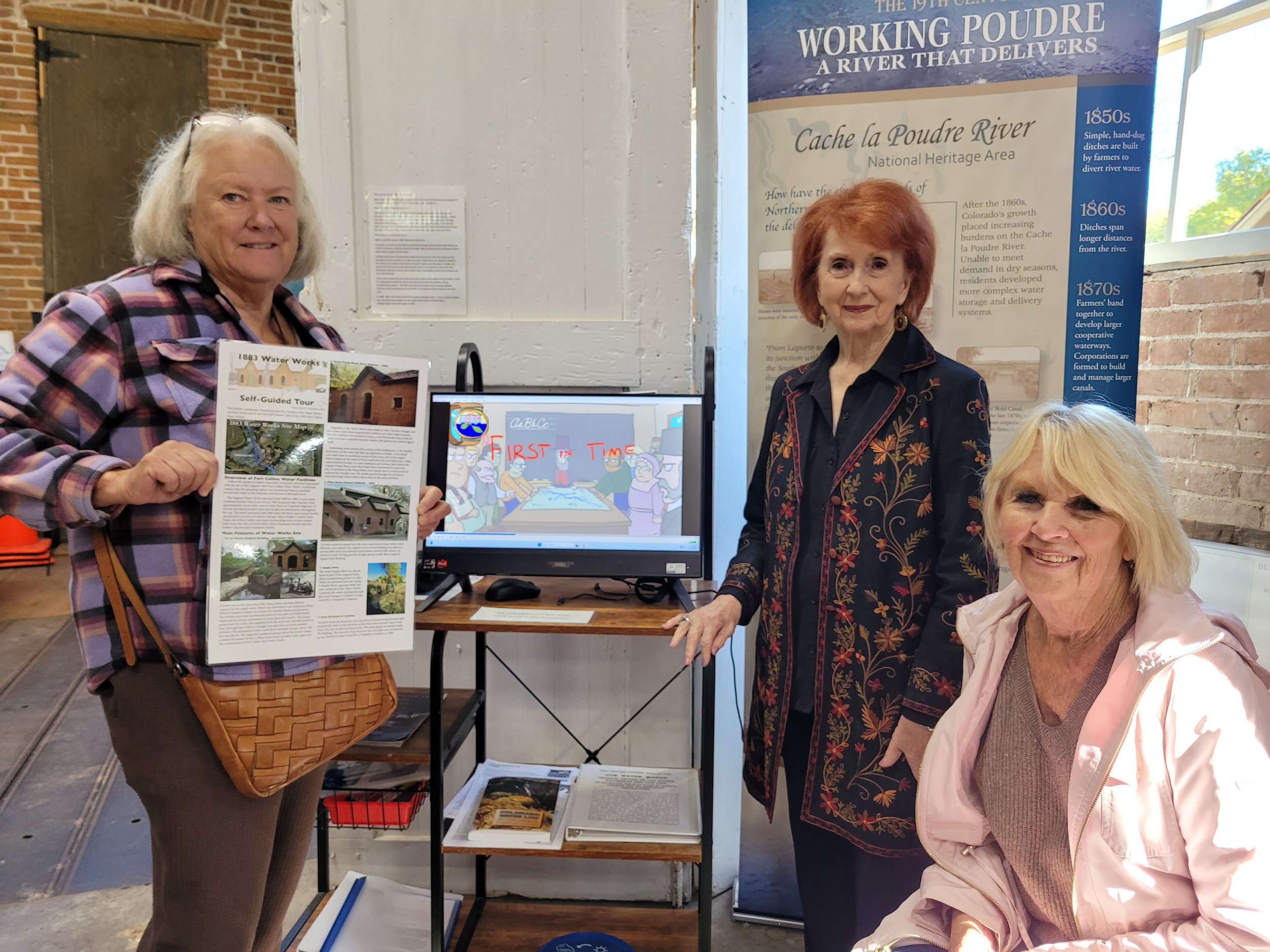
1883 Water Works Education Enhancement was the Cache la Poudre #991 project to provide opportunities to use educational tools to help visitors travel back in time to 1883-84. The historic education project included: permanent welcome sign of the Fort Collins property, touchscreen with videos, self-tour guides, and permanent interpretive signs for inside the building.


Scholarships and fellowships
Since 1973, THE QUESTERS has funded a two-year scholarship, totaling $50,000, to a graduate student earning a Master's degree at the Columbia University School of Architecture, Planning and Preservation. To date, 44 scholars have received funding from THE QUESTERS.
Additionally, THE QUESTERS awards one student a 3-year Fellowship, totaling $60,000, to the University of Delaware/Winterthur Art Conservation Program for a masters degree in their Art conservation Program. To date, 10 fellows have received funding from THE QUESTERS.
To date, 44 Scholars and 11 Fellows have received funding through THE QUESTERS, reaching a total of over one million dollars in awards.

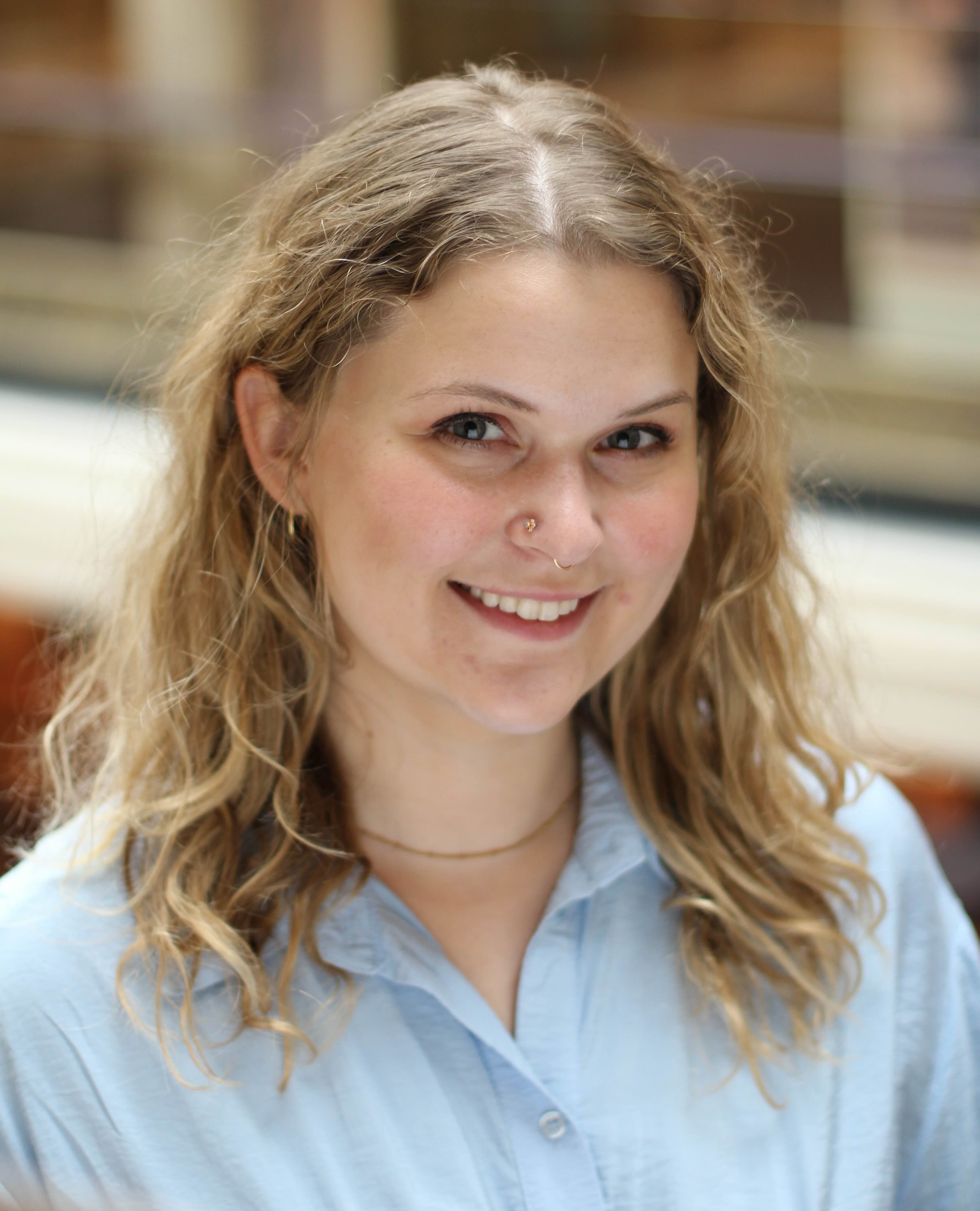
MADELINE (MADDIE) GWYTHER
Scholar #44
Projects that some of our past scholars and fellows have worked on include the following: improvements at the Statue of Liberty and the Gateway Arch in St. Louis for the National Park Service; monumental public buildings, such as the U.S. Supreme Court Building, the United Nations, the Dwight D. Eisenhower Library, and the Franklin Delano Roosevelt Library; exhibits, such The Denver Art Museum’s exhibition on the fashion of Veronique Peck, wife of actor Gregory Peck.


Jenna gustafson
FELLOW #11
