

North Carolina: Oberlin Village
Chapter 1789 Helps Preserve the Story of Oberlin Village
RALEIGH, N.C. — When the buildings of a historic community disappear, so can the stories of the people who built it. Members of North Carolina Questers Chapter 1789 #530, helped ensure that an important piece of one such story would not be lost.
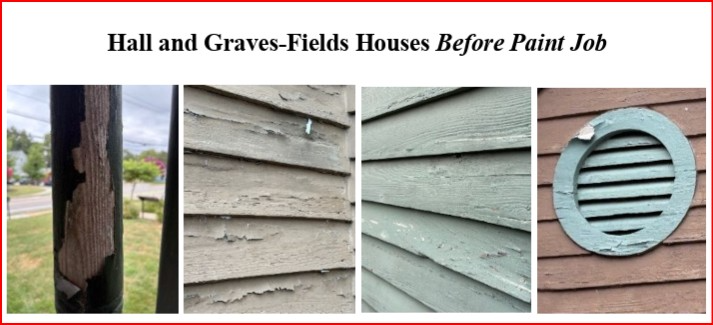
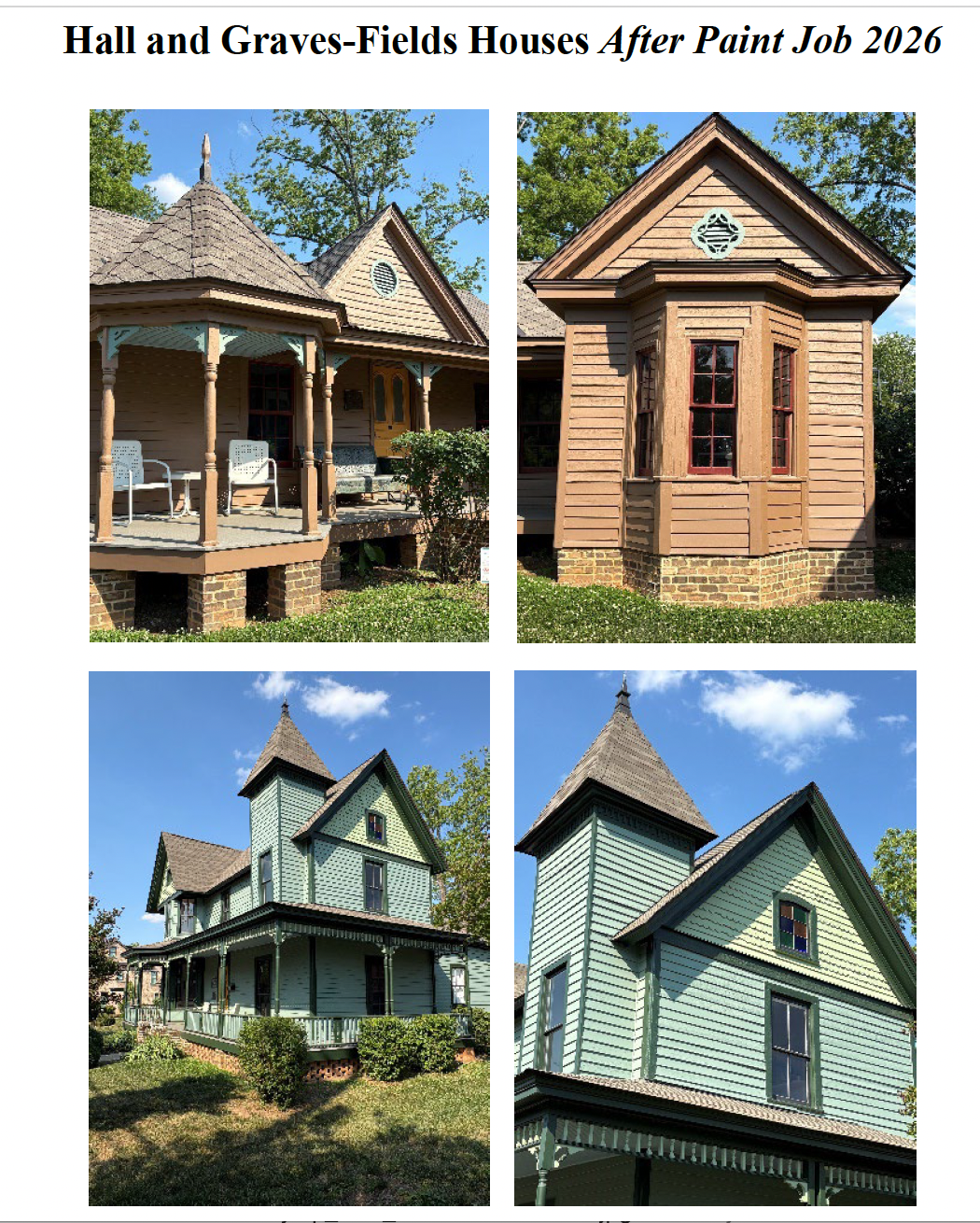
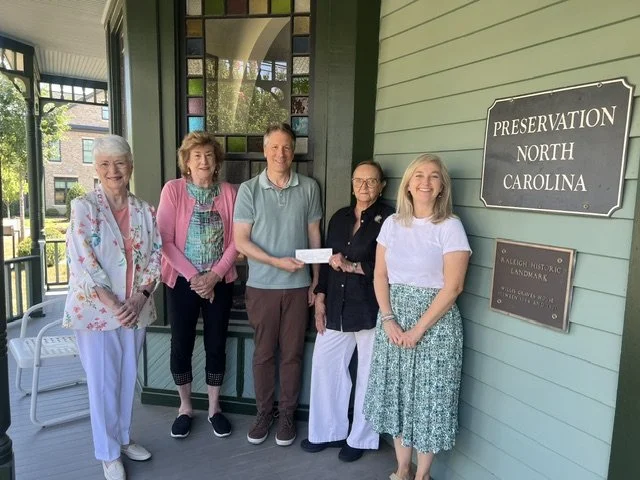
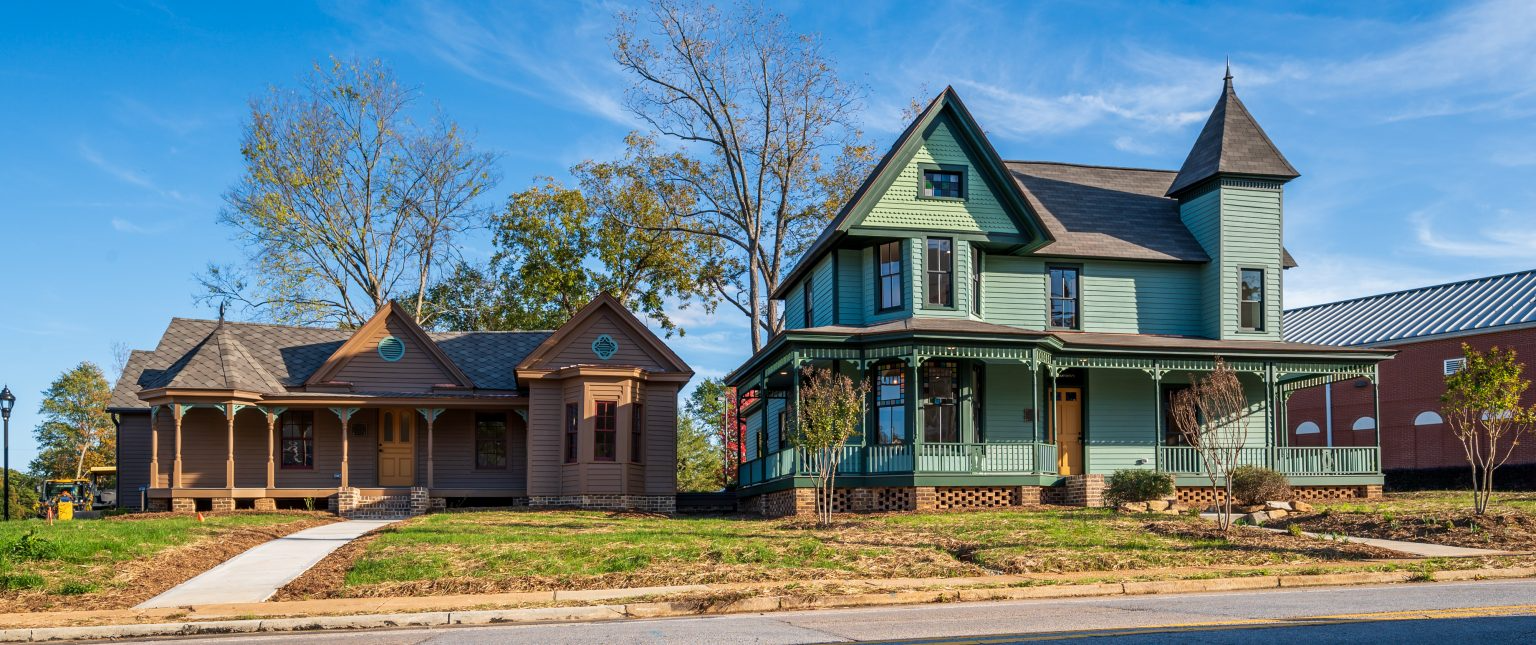
The chapter contributed funds to Preservation North Carolina for restoration painting of two historic homes in Raleigh’s Oberlin Village — the Rev. Plummer T. Hall House and the Graves-Fields House. Their contribution supported an ambitious preservation effort to save the houses and keep alive the history of the African American community that surrounded them.
Established around 1870 as a freedmen’s community, Oberlin Village stretched from Hillsborough Street to Glenwood Avenue. By 1880, approximately 750 people lived there, including carpenters, brick masons and seamstresses, some of whom had formerly been enslaved by prominent Raleigh families. By the early 20th century, Oberlin had grown to nearly 1,200 residents and included churches, schools, businesses and homes.
A 1914 newspaper described Oberlin as a well-kept village with painted houses and gardens. The community even surpassed Raleigh in some measures of homeownership and education.
Much of that neighborhood has since disappeared, making the surviving structures especially significant.
The Rev. Plummer T. Hall House and the Graves-Fields House are among only five Oberlin structures individually listed in the National Register of Historic Places. Built in the late 19th century, both are exuberant Queen Anne-style homes whose appearance reflects the aspirations of their builders.
Rev. Plummer T. Hall and his wife, Delia, as well as Willis and Eleanor Hinton Graves, were born into slavery. Yet after emancipation, they built homes, established careers and invested in education and community life.
Rev. Plummer T. Hall became the first pastor of Oberlin Baptist Church, which served as an important center of religious, educational and civic activity. Delia Hall was a storekeeper.
Hall significantly influenced education in his community through his role as a pastor and educator.
Hall's leadership emphasized the importance of education for African Americans, promoting both academic and technical training. This was particularly evident at Shaw University, the oldest historically black college in the Southeast, which was established shortly after the Civil War.
Under his guidance, the church not only provided spiritual support but also facilitated educational opportunities, helping to uplift the community through learning and civic involvement.
Overall, Rev. Hall's contributions were pivotal in establishing a foundation for education and community development among African Americans in Raleigh and beyond.
The Hall home, a modest one-story frame cottage with a distinctive Victorian appearance, reflects the ambitions of a family building a future through hard work, faith, and education.
Willis Graves was a brick mason, justice of the peace, and active Methodist. He also served as president of Raleigh’s Emancipation Day celebration and twice ran for the North Carolina House of Representatives. His wife, Eleanor, was a teacher who helped children learn to read and write.
The Graves family’s commitment to education continued through succeeding generations. Their children attended St. Augustine’s and Shaw University. Son Lemuel pursued additional education at Cornell and Columbia and became the first initiate of Alpha Phi Alpha.
Another son, Willis Jr., became a prominent civil rights attorney in Detroit. He worked with Thurgood Marshall on the landmark 1948 Supreme Court case Shelley v. Kraemer, which invalidated the enforcement of racially restrictive housing covenants.
The family’s accomplishments extended into the next generation as well. Grandson Lemuel Jr., known as Gene, became one of the first three Black journalists to accompany a U.S. president on an official overseas state visit. He later worked for the U.S. Department of State and was appointed by President John F. Kennedy to head the Voice of America in Latin America.
Chapter 1789 was proud to play a part in that preservation story. By providing financial support specifically for restoration painting, the Questers helped care for the very structures that make Oberlin’s history tangible.
For the chapter, the project represents the broader mission of the Questers: recognizing the importance of historic places and helping preserve them for future generations.
Myrick Howard, president of Preservation North Carolina, has emphasized that the value of these houses extends far beyond their architecture. They are physical evidence of an African American community that built homes, businesses, churches and schools after emancipation and continued to thrive despite the barriers of racism and segregation.
“When you have places like this, it continues to tell a story, and makes the story tangible,” Howard said.
That is precisely what Chapter 1789 helped protect.
The restoration of the Hall and Graves houses ensures that future generations will have more than photographs and written accounts to learn from. They will be able to stand in places built by formerly enslaved North Carolinians and see, in the surviving architecture, evidence of their determination, accomplishments and hopes for their families.
Preservation North Carolina’s Clarissa Goodlett put the importance of such work simply: “When you lose houses and lose landmarks, you tend to lose the stories with them.”
Through its contribution to the restoration of these two historic Oberlin homes, Questers Chapter 1789, #530, helped make sure those stories remain.